




Filters
Clear allPrice


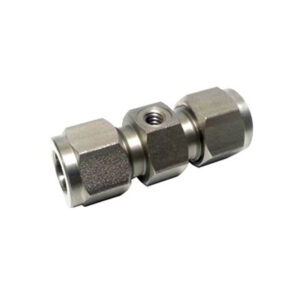
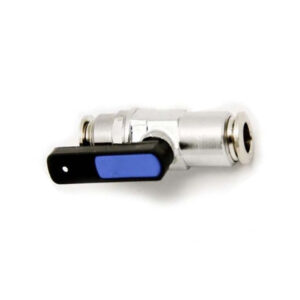

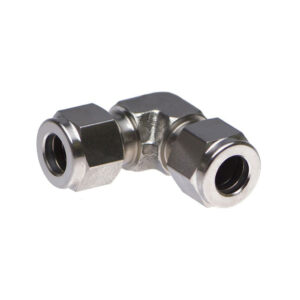
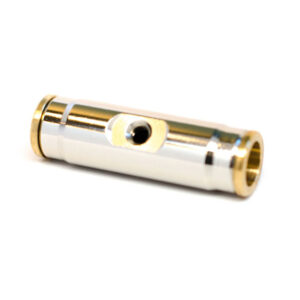
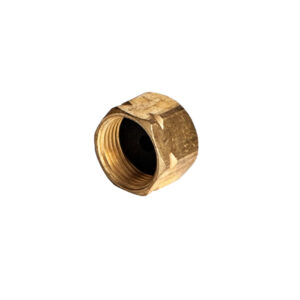
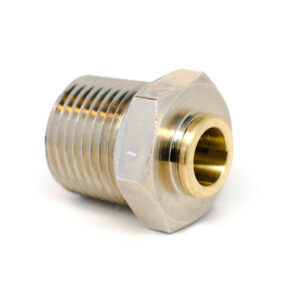
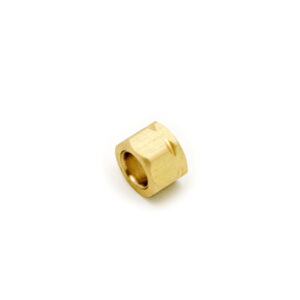
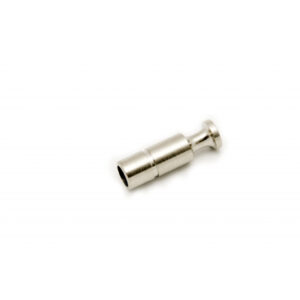
Misting system fittings: what they do (and why the right connection matters)
Misting system fittings are the connectors that join tubing, nozzles, valves, and supply lines into a leak-free system. Choosing the right fitting matters, not just for ease of installation, but for long-term performance, pressure handling, and compatibility with your tubing material. This page helps you quickly identify the right misting fittings based on tubing type, connection style, and common use cases, so you can find the correct subcategory or replacement fitting with confidence.
Misting system fittings create the sealed connections that allow pressurized water to flow reliably through your mist line. The correct fitting prevents leaks, handles system pressure, and matches the tubing material you’re using; whether that’s nylon, copper, or stainless steel.
Most misting fittings fall into two main families: push lock (quick connect) and compression fittings. Push lock fittings are designed for fast, tool-free installs with nylon tubing, while compression fittings provide a more secure, mechanical seal for higher pressures and for rigid tubing like copper or stainless steel. Understanding this distinction is the key to choosing correctly and avoiding compatibility issues.
Choose fittings by tubing type
Different tubing materials require different fitting styles. Start by identifying your tubing material, then select fittings designed to work with it.
Nylon tubing: fast installs with push lock or compression
Nylon tubing is flexible, lightweight, and common in residential and light commercial misting systems. It’s compatible with push lock fittings for quick installs and easy replacements, making it a popular choice for DIY setups. Nylon can also be used with compression fittings when higher pressure or added security is needed.
If you’re using nylon tubing, confirm the tube size (1/4″, 3/8″, or 1/2″) and choose fittings rated appropriately for your system pressure. Push lock fittings are ideal for speed and simplicity; compression fittings offer extra holding strength.
Copper tubing: clean, permanent runs and compression connections
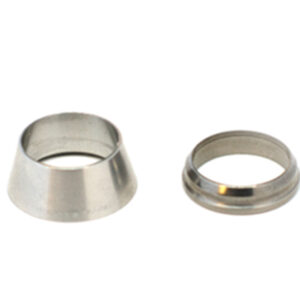
Copper tubing is often used for permanent or concealed misting lines where a clean, rigid appearance is desired. Copper requires compression fittings, push lock fittings are not compatible. Compression fittings create a tight seal by compressing a ferrule onto the tubing, making them well suited for long-term installations.
Copper systems are common in patios, restaurants, and architectural applications where durability and aesthetics matter.
Stainless steel tubing: corrosion resistance and heavy-duty compression
Stainless steel tubing is used in harsh or corrosive environments and in high-end or industrial misting systems. It must be paired with heavy-duty compression fittings designed specifically for stainless tubing. These fittings offer superior corrosion resistance and strength but require careful installation to ensure a proper seal.
Choose fittings by connection style
Once you know your tubing material, the next decision is the connection style.
Push lock (quick connect): cut, push, and go (nylon only)
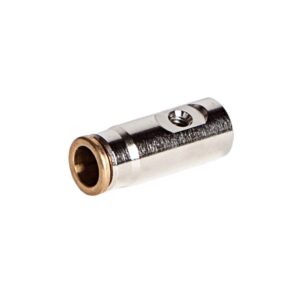
Push lock fittings—sometimes called quick connect fittings—are designed exclusively for nylon tubing. Installation is simple: cut the tubing square, push it fully into the fitting, and it locks in place. No tools or ferrules are required.
These fittings are ideal for quick installs, repairs, and system modifications. They’re commonly used in residential misting systems and light commercial applications where ease of service matters. Always verify pressure ratings in the product specs for your specific fitting.
Compression fittings: secure connections for high-pressure systems
Compression fittings use a nut and ferrule to create a mechanical seal around the tubing. They are compatible with nylon, copper, and stainless steel tubing, depending on the fitting type and ferrule material.
Compression fittings are preferred for higher-pressure misting systems, permanent installs, and applications where vibration or movement could loosen push-style connections. Proper installation—seating the tubing fully and tightening correctly—is essential for leak-free performance.
Heavy-duty compression: picking brass vs nickel vs stainless
Heavy-duty compression fittings are available in materials like brass, nickel-plated brass, and stainless steel. Brass is common for general use, nickel-plated fittings offer added corrosion resistance, and stainless steel is best for harsh environments or stainless tubing. Match the fitting material to both the tubing and the environment to maximize longevity.
Common fitting types (with plain-English use cases)
Misting systems rely on a range of fitting shapes to route tubing efficiently.
Unions and couplings
Used to join two sections of tubing in a straight line—ideal for repairs or extensions.
Elbows (45° and 90°)
Change direction without kinking tubing; useful for corners and tight layouts.
Tees, crosses, and Y-connectors
Split a mist line into multiple branches for even coverage.
End plugs and end caps
Seal the end of a mist line or unused port.
Nozzle unions and nozzle adapters (including 10/24 thread)
Provide a mounting point for misting nozzles; many nozzles use a standard 10/24 thread, so compatibility matters.
Reducers and branch tees
Transition between different tubing sizes or create stepped branches.
Valves, adapters, and transitions
These fittings help control flow and connect misting systems to water sources or equipment.
Ball valves: shutoff and zone control
Ball valves allow you to shut off sections of a misting system for maintenance or zoning. They’re commonly installed near pumps or at branch points.
Pipe fittings and NPT adapters
Pipe fittings, including pipe nipples and male/female NPT adapters, connect misting lines to pumps, filters, manifolds, or other threaded components. Always match thread type and size.
Garden hose adapters and lock-on hose fittings
Garden hose adapters allow temporary or flexible connections to hose bibs. Lock-on hose fittings are useful for portable or seasonal misting setups.
Installation basics and leak prevention
Correct installation is just as important as choosing the right fitting.
Cutting and prepping tubing
Make square, clean cuts and remove burrs to ensure proper sealing.
Compression tightening basics
Seat the tubing fully, hand-tighten the nut, then snug according to manufacturer guidance. Over-tightening can cause leaks.
Pressure testing and first-run recheck
Pressurize the system gradually and recheck fittings after the first run.
Common leak causes and quick fixes
Leaks are often caused by misaligned tubing, damaged ferrules, or incorrect fitting selection.
Quick selection guide
If you want a fast answer, start here.
If you’re using nylon tubing…
Use push lock fittings for fast installs, or compression fittings for higher pressure or permanent setups.
If you want a permanent, concealed line…
Choose copper or stainless tubing with compression or heavy-duty compression fittings.
If you’re installing in harsh or corrosive environments…
Use stainless steel tubing and stainless compression fittings.
FAQ
Are push lock fittings compatible with copper or stainless steel tubing?
No. Push lock fittings are designed for nylon tubing only.
What tube size do I have (1/4″, 3/8″, 1/2″)?
Measure the outside diameter of the tubing and match it exactly to the fitting size.
What does 10/24 nozzle thread mean?
It refers to a common nozzle thread size used in misting systems; nozzle adapters must match this thread.
What pressure rating do I need?
Check each fitting’s product specs and ensure it meets or exceeds your system pressure.
Can I mix push lock and compression components?
Yes, as long as each fitting matches the tubing material and size at that connection point.
How do I replace a leaking fitting?
Depressurize the system, remove the fitting, inspect the tubing end, and reinstall or replace with the correct type.
If you have odd tubing sizes, mixed materials, or high-corrosion environments, contact support for help selecting the correct misting system fittings before ordering.
In the spotlight

Aeromist benefits
At Aeromist, we’re committed to delivering the highest quality cooling solutions that make a real difference.