



Filters
Clear allPrice
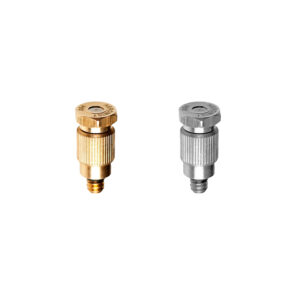

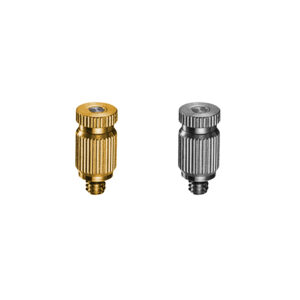
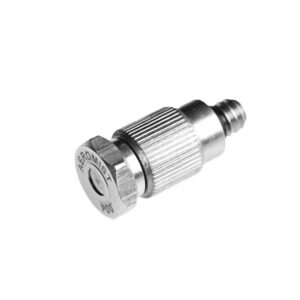

Demystifying Misting Nozzles
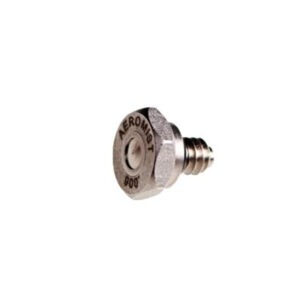
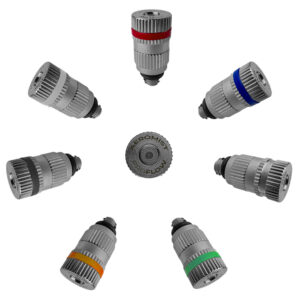
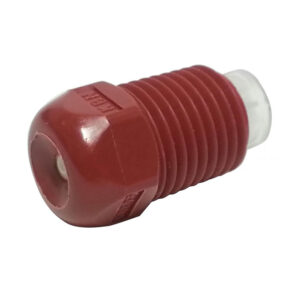
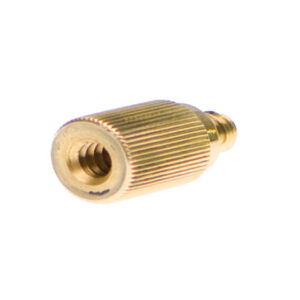
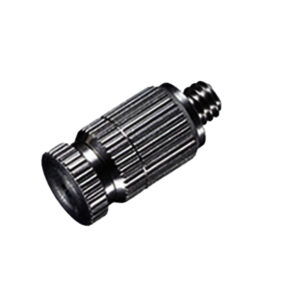
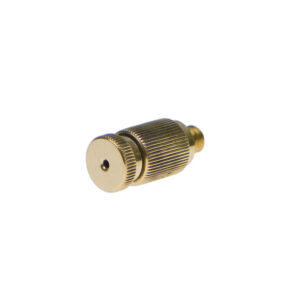
Misting nozzles are precision components that control droplet size, flow rate, and overall system performance. The correct misting nozzle improves evaporative cooling efficiency, reduces surface wetting, and ensures consistent operation across residential and commercial misting systems.
Aeromist misting system nozzles are engineered for reliable atomization across a range of pressures, climates, and applications. Options include standard, anti-drip, and cleanable designs, available in multiple thread types and orifice sizes to match specific system requirements.
What misting nozzles do (atomization, droplet size, and cooling)
Misting nozzles atomize water by forcing it through a precision-sized orifice, breaking the stream into fine droplets. Smaller droplets evaporate more rapidly, delivering effective air cooling while minimizing wetness on surrounding surfaces.
Droplet size is influenced by nozzle orifice size, system pressure, and nozzle design. High pressure misting nozzles produce finer droplets for faster evaporation, while larger orifice nozzles increase flow rate and visible mist output. Proper nozzle selection ensures efficient cooling, consistent coverage, and reduced water waste.
How to choose the right misting nozzle
Selecting the correct misting nozzle requires matching thread type, nozzle design, orifice size, and system pressure. Each factor directly affects performance, reliability, and maintenance requirements.
Step 1: Match the thread — 10/24 vs 12/24 (and when to use an adapter)
Misting nozzles are manufactured with either 10/24 or 12/24 threads. The thread type must match the system fittings to ensure a leak-free seal.
- 10/24 misting nozzles are commonly used in residential and light commercial systems
- 12/24 misting nozzles are typically used in higher-flow or commercial installations
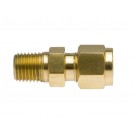
Thread adapters, including 12/24 to 10/24 and 10/24 to 1/8″ NPT adapters, allow compatibility when upgrading or modifying existing systems.
Step 2: Choose nozzle type — standard vs anti-drip vs cleanable
Nozzle design affects shutoff behavior and maintenance frequency.
- Standard misting nozzles provide consistent spray but may drip briefly when pressure drops
- Anti-drip misting nozzles use a ball-and-spring mechanism with an O-ring seal to stop flow when pressure falls below the activation point
- Cleanable misting nozzles allow the orifice to be accessed for mineral or debris removal
Anti-drip designs are recommended for high pressure systems where dripping causes pooling or surface wetness.
Step 3: Pick an orifice size for your climate and goals
Orifice size determines flow rate and droplet size. Smaller orifices produce finer mist and faster evaporation, while larger orifices increase water output.
Common misting nozzle orifice sizes include:
.004, .006, .008, .010, .012, .014, .016, .020, .024, .028
- Dry climates typically use .008 or .010
- Humid environments benefit from smaller orifices to reduce wetting
- Larger areas or humidification applications may require .012 or larger
Refer to the Aeromist nozzle size chart and flow rate chart for pressure-specific output values.
Step 4: Confirm system pressure range (high pressure vs low pressure setups)
Misting nozzles are designed to operate within specific pressure ranges. High pressure misting nozzles require pumps capable of maintaining consistent PSI to achieve proper atomization. Low pressure systems, such as garden hose kits, require larger orifice sizes to prevent poor spray patterns and clogging.
Always verify nozzle pressure ratings before installation to ensure reliable performance.
Aeromist nozzle families (what’s different)
Aeromist misting nozzles are available in multiple configurations to match system design, pressure, and maintenance preferences.
ClearFlow anti-drip nozzles (ball-and-spring, O-ring seal, cleanable)
ClearFlow anti-drip nozzles feature a spring-loaded ball mechanism and O-ring seal that stops water flow when system pressure drops. This design prevents dripping at shutdown, reduces puddling, and improves system cleanliness. Cleanable construction supports long-term performance in hard water environments.
ProFlow ruby tip nozzles (durability-focused orifice, multiple flow rates)
ProFlow ruby tip nozzles use a durable ruby orifice to maintain consistent spray patterns and resist wear over time. Available in multiple flow rates and orifice sizes, these nozzles are designed for high-use and commercial misting systems.
Button nozzles (simple, cost-effective, multiple orifice sizes)
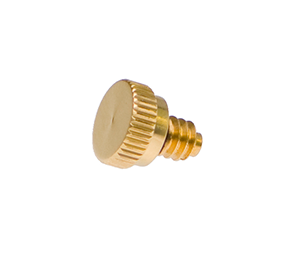
Button misting nozzles provide a simple, cost-effective solution for residential and replacement applications. Multiple orifice sizes are available to support a range of cooling and coverage requirements.
Ceramic nozzles (only include claims that are verified on product pages)
Ceramic misting nozzles (where specified) offer increased wear resistance for select applications. Always confirm material, thread type, and pressure compatibility on individual product pages.
Orifice size and flow rate reference (quick chart + link to full specs)
Orifice size directly impacts system flow rate and pump sizing.
Typical ‘most common’ sizes and what they’re used for (.008 vs .012)
.008: Fine mist, fast evaporation, common for patios in dry climates
.012: Higher flow rate, increased visible mist, suitable for larger areas
Flow-rate math (light touch): Nozzles × GPM = total flow (for planning)
Total system flow can be estimated using:
Number of nozzles × flow rate per nozzle = total system flow
This calculation helps confirm pump capacity and system balance.
Nozzle accessories that solve real install problems
Accessories improve installation flexibility and system performance.
- Nozzle adapters for thread compatibility
- Nozzle swivels for directional adjustment
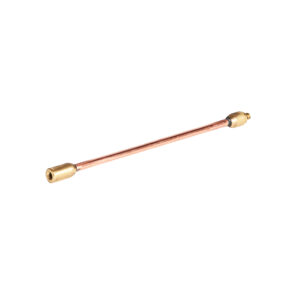
- Nozzle extensions to clear obstructions
- Nozzle plugs and drain valves for seasonalization and line management
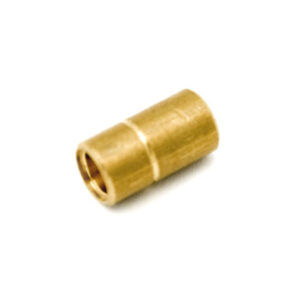
Nozzle adapters (thread changes, NPT adapters)
Routine maintenance improves nozzle lifespan and performance.
- Regular soaking with nozzle cleaner reduces mineral buildup
- Replacing worn O-rings prevents leaks and dripping
- Uneven mist or reduced output typically indicates clogging or pressure mismatch
Nozzle swivels (aiming and coverage)
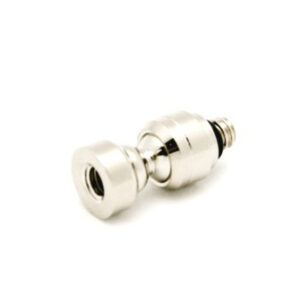
Nozzle swivel adapters allow precise adjustment of misting nozzle direction without repositioning the line. By improving spray alignment, swivels help achieve even coverage, reduce overspray, and optimize cooling performance in tight or irregular layouts. Swivels are especially useful for perimeter installations, corners, and areas where fixed-angle nozzles cannot be aimed accurately.
Nozzle extensions (clear obstructions, mount spacing)
Nozzle extensions create additional spacing between the misting line and the spray point, allowing nozzles to clear beams, walls, or other obstructions. They improve mist dispersion and airflow while supporting consistent nozzle spacing for uniform coverage. Extensions are commonly used in covered patios, pergolas, and commercial installations with structural obstacles.
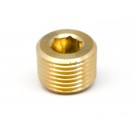
Nozzle plugs and drain valves (seasonalization and line management)
Nozzle plugs seal unused ports and allow flexible system expansion without reconfiguring the line. Drain valves simplify seasonalization and maintenance by enabling controlled water release during shutdown, reducing the risk of freezing damage and trapped debris. Both components support cleaner lines and longer system life.
Nozzle maintenance and clog prevention
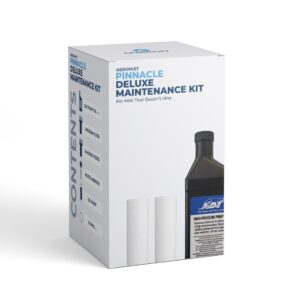
Routine maintenance improves nozzle lifespan and performance.
- Regular soaking with nozzle cleaner reduces mineral buildup
- Replacing worn O-rings prevents leaks and dripping
- Uneven mist or reduced output typically indicates clogging or pressure mismatch
Routine cleaning: soaking and schedules (hard water considerations)
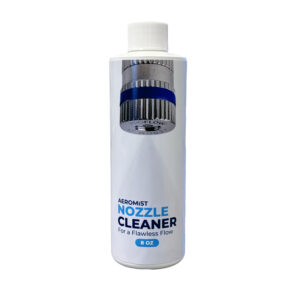
Regular cleaning helps prevent mineral scale and debris from restricting nozzle orifices. In hard water environments, nozzles should be soaked periodically using an approved nozzle cleaner to dissolve buildup and maintain consistent spray patterns. Cleaning frequency depends on water quality and system runtime, but routine maintenance significantly reduces clogging and extends nozzle service life.
Replacing O-rings and keeping seals leak-free
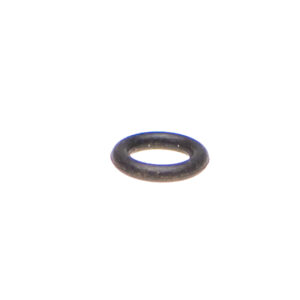
O-rings create the primary seal in anti-drip misting nozzles and threaded connections. Over time, seals may wear, flatten, or degrade, leading to leaks or dripping at shutdown. Replacing O-rings as part of regular maintenance restores proper sealing, prevents water loss, and maintains reliable anti-drip performance.
Quick troubleshooting: uneven mist, dripping, or clogged spray
Uneven mist or reduced output typically indicates partial clogging from mineral buildup or debris. Dripping at shutdown often points to worn O-rings, pressure loss, or non–anti-drip nozzle use. Fully clogged spray patterns may require soaking, cleaning, or nozzle replacement. Verifying proper pressure and filtration helps prevent recurring issues.
Quick selection guide (if you only read one section)
This guide summarizes common misting nozzle choices based on climate, system pressure, and performance needs.
For most patios in dry climates…
Use 10/24 anti-drip misting nozzles with .008 or .010 orifice sizes. This combination provides fine mist, fast evaporation, and effective cooling while minimizing surface wetness.
For more humidity / less wetness on surfaces…
Choose smaller orifice sizes and operate at higher pressure to improve evaporation and reduce visible moisture. Cleanable nozzle designs help maintain consistent performance in humid conditions.
For high-pressure systems that drip when they shut off…
Use ClearFlow anti-drip misting nozzles with spring-loaded seals to stop water flow when pressure drops, preventing puddling and line drainage.
FAQ
Clear answers to common misting nozzle questions to support proper selection, installation, and maintenance.
What’s the difference between 10/24 and 12/24 threads?
10/24 and 12/24 refer to the nozzle thread diameter and pitch. They are not interchangeable. The nozzle thread must match the system fitting to ensure a proper seal and prevent leaks. Adapters can be used when converting between thread types or connecting to 1/8″ NPT fittings.
What does nozzle orifice size mean?
Nozzle orifice size indicates the diameter of the opening that controls water flow and droplet size. Smaller orifices produce finer droplets with faster evaporation, while larger orifices increase flow rate and visible mist output. Orifice size directly affects cooling performance and surface wetness.
Which orifice size should I choose (.006, .008, .012, etc.)?
Orifice size selection depends on climate, system pressure, and desired output.
- .006–.008: Fine mist for hot, dry climates
- .010–.012: Balanced mist and flow for general cooling
- .014 and larger: Higher flow for humidification or larger areas
Refer to the Aeromist nozzle size chart for flow rate values at your operating pressure.
What is an anti-drip nozzle and how does it work?
An anti-drip misting nozzle uses a spring-loaded ball and O-ring seal to stop water flow when system pressure drops below a set point. This prevents dripping at shutdown, reduces puddling, and keeps lines clean in high pressure misting systems.
How do I prevent nozzles from clogging (hard water/mineral scale)?
Clogging is commonly caused by mineral scale and debris. Prevention includes proper filtration, routine nozzle soaking with approved cleaner, and regular inspection of orifices and O-rings. Cleanable nozzle designs are recommended for hard water environments.
Can I use the same nozzles on low-pressure garden hose kits?
Not all misting nozzles are suitable for low-pressure systems. High pressure misting nozzles require sufficient PSI to atomize properly. Low-pressure garden hose kits typically require larger orifice nozzles specifically rated for low-pressure operation to avoid clogging and poor spray patterns.
In the spotlight


Aeromist benefits
At Aeromist, we’re committed to delivering the highest quality cooling solutions that make a real difference.